
Alpaca, vicuna, llama and fine wool · Peru
Who actually ships
the fibre you want
to buy.
Most supplier lists are directories: anyone who paid to be listed. We start from shipments that really left Peru, so you can tell a producer from a broker before you spend a month on samples.
No call required to start. Raw fibre, tops, yarn, fabric, knitwear, home textiles.
Where the value sits
Three quarters of the money leaves Peru before it is a garment
Every stage of the chain ships out of Peru, but they are nothing like the same size. Knowing which one you are buying from changes who you should be talking to.
Raw fibre and tops is the giant, and it is concentrated: a handful of houses move most of it, so the list of names you need is short and the entry ticket is high.
Finished goods is the opposite. It is a fraction of the value and hundreds of exporters, most of them small. Here the problem is not finding a supplier, it is telling the real producer from the workshop that resells.
Fabric is the thin one. If you buy cloth by the metre, there are fewer than seventy exporters in the whole country, and that is worth knowing before you plan a season around it.
The problem
What sourcing a fibre supplier actually looks like
Two routes to the same purchase order. The difference is not effort, it is where the list comes from.
Why the long route fails
A directory tells you who paid to appear. A fair tells you who could afford a booth. Neither tells you whether the company shipped a kilo of alpaca last season, at what grade, or to whom. So the filtering happens later, in samples and lost quarters.
What we do instead
We start from shipments that actually left the country: who shipped, in which category, how often, and to which markets. A trader and a mill look identical on a website and completely different in a shipment record.
Coverage
Eight categories, from the fleece to the finished piece
The Radar is sold by category, because a buyer of tops and a buyer of knitwear are not looking for the same supplier. Figures are Peru exports for 2025 and 2026 to date.
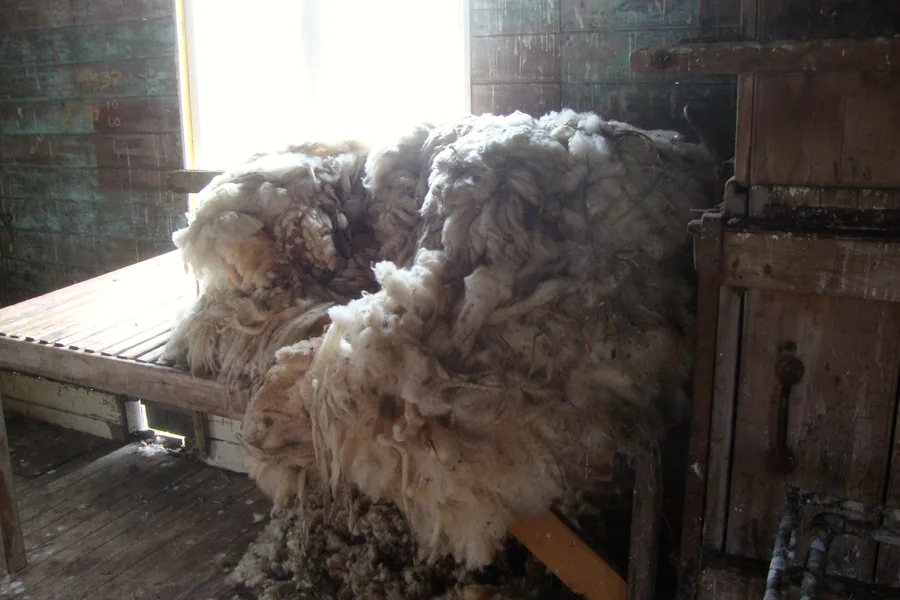
Fleece and tops
Where more than half the export value sits.
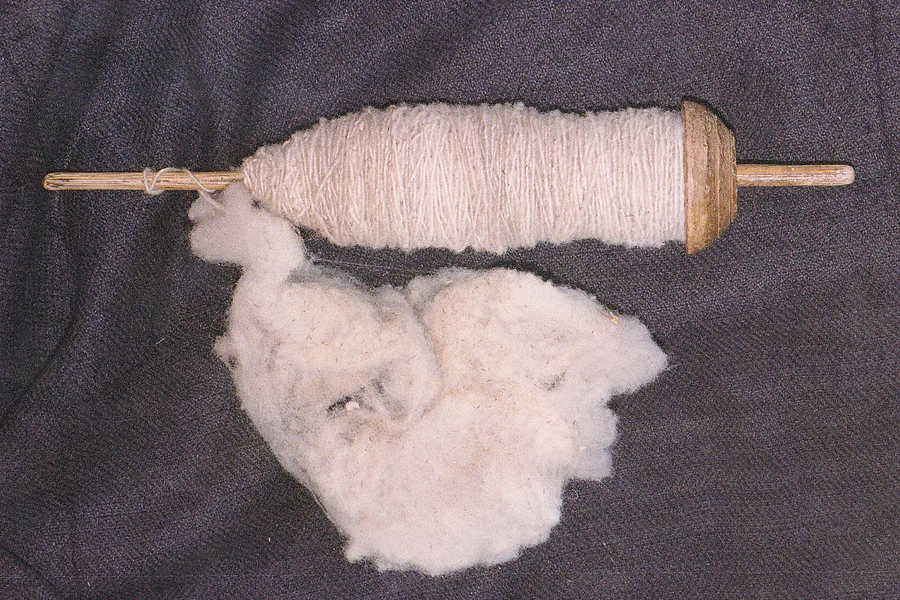
Spun and plied
The second largest category out of Peru.
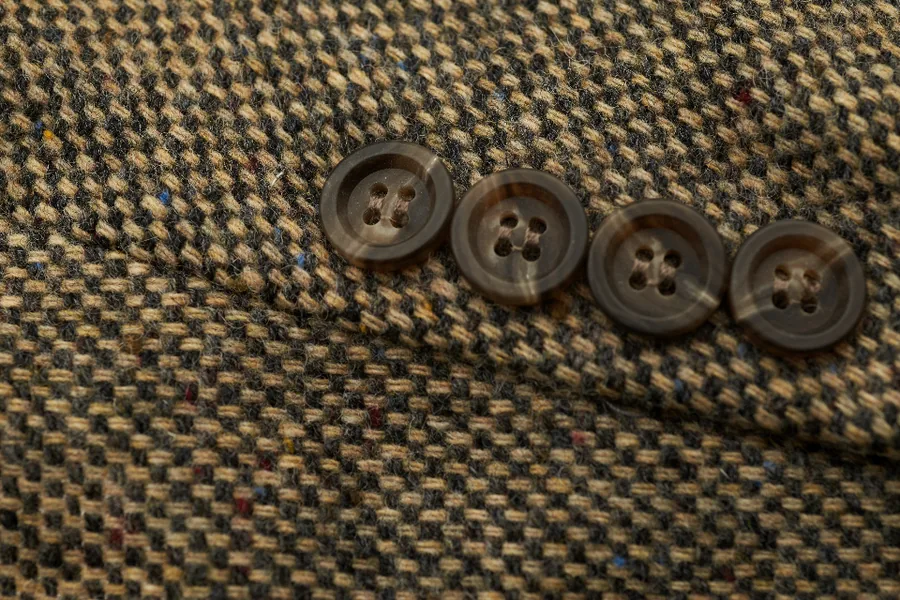
Woven cloth
The smallest step, and the hardest to source.

Knitwear and home
Where most of the exporters are.
Raw fibre and tops
Yarn
Knitwear and jersey
Accessories
Fabric
Home textiles
Pelts and hide rugs
Gifts and decor
Woven apparel
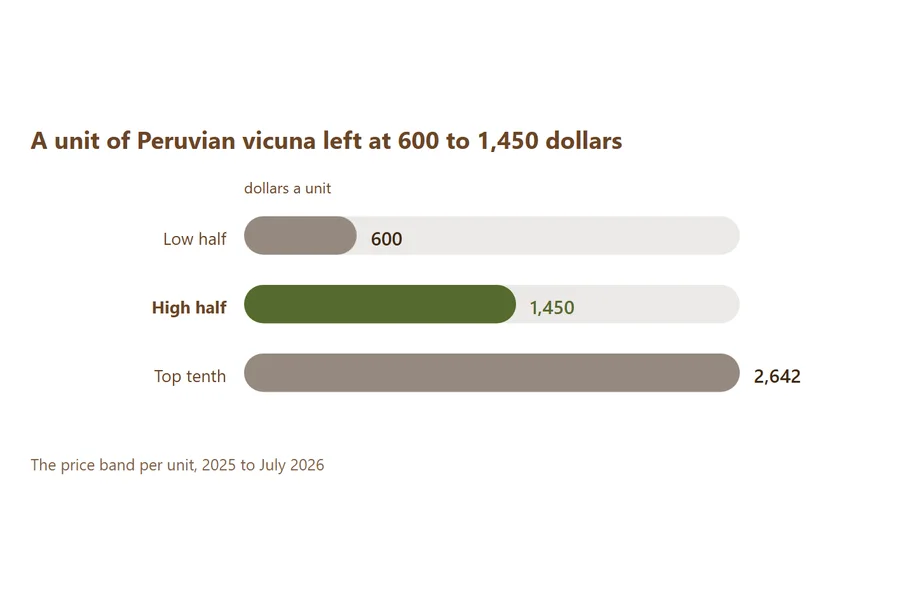
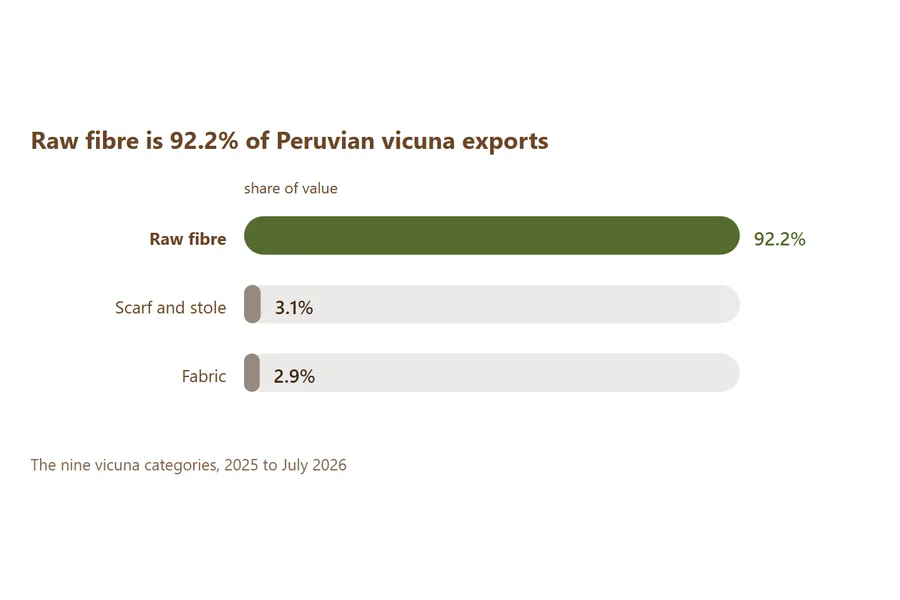
Vicuna sits inside raw fibre and tops. It is a small, permit controlled market: USD 9.0M in 14 exporters, and we say so rather than dressing it up.
How it works
Four steps, and the first one is free
You do not need a call to find out whether this is worth your time.
Tell us the spec
Fibre, grade or micron, product, volume, destination market. Two minutes, no call.
We check whether the supply exists
We look at who shipped that category out of Peru, at what scale and to which markets. If the answer is that nobody serves your spec, we tell you that, and it costs nothing.
You get the Radar for your category
The exporters that are actually active, refreshed weekly, in PDF and Excel.
We represent you on the ground, if you want
Contacting suppliers, factory visits, samples, follow up. In Peru, in your name.
Plans
Three ways to work with us
For buyers who are new to Peruvian fibre, or weighing whether to start.
- We check whether a real supplier base exists for your criteria
- An honest answer, including a no
- Free market briefing on alpaca and other fine fibre
- No calls required
For buyers who already know they want Peruvian fibre and need to see who actually ships it.
- Every exporter shipping your category out of Peru
- Current to the last week published, not a snapshot
- Contact details for each exporter where we have them
- Volume, cadence and destination markets per exporter
- PDF and Excel, in your inbox within 24 hours
For buyers who want the work done, not the list: someone in Peru opening the doors.
- The full Radar, all nine categories, refreshed every month
- A weekly report on what moved and who is new
- We contact and qualify the suppliers for you
- Introductions to the ones that match your spec
- Factory visits and sample handling in Peru
Full detail, category list and payment on the plans page.
Insights
What we are seeing in the fibre trade
Start with the free assessment
Tell us what you are trying to buy. We come back with whether a real supplier base exists for it, and the free market briefing. If the answer is no, you keep the time.